
Blogs
Different Types of Millets: Ancient Grains with Timeless Value

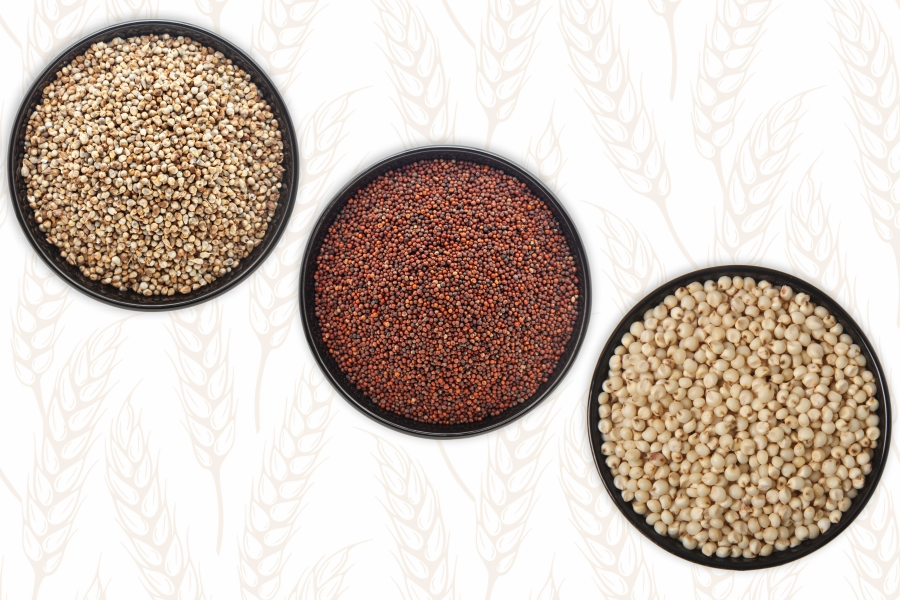
Different Types of Millets: Ancient Grains with Timeless Value
Different Types of Millets – Ancient Indian Grains & Their Benefits
Discover the variety of millets, their ancient significance, nutritional benefits, and regional names across
India. Embrace the power of these super grains in your diet!
Introduction: The Ancient Grain That Nourished Civilizations
Millets are among the oldest cultivated grains in the world, dating back thousands of years. Revered in ancient Indian texts and diets, these hardy grains sustained entire communities long before wheat and rice became staples.
Rich in nutrients, drought-resistant, and easy to grow, millets have always been a symbol of health,
resilience, and sustainability.
Today, with growing interest in clean eating and traditional diets, millets are making a strong comeback as
superfoods for modern health-conscious consumers.
Fun Fact: Millets in History & Culture
- Millets were mentioned in ancient Indian scriptures like the Rigveda and Ayurveda texts for their
health benefits. - Many Indian festivals still feature millet dishes as offerings symbolizing health and prosperity.
- Kings and warriors consumed millet-based foods for strength and stamina.
Types of Millets & Their Ancient Values
India is home to several varieties of millets, each with unique flavours, textures, and nutritional profiles.
Here’s a guide to the most popular millets, their traditional uses, and the names they go by in various regional languages.
1. Ragi (Finger Millet)
- Scientific Name: Eleusine coracana
- Ancient Value: Known as a powerhouse of calcium and iron, ragi has been used for centuries to build strong bones and nourish infants and the elderly alike.
- Common Names:
- Kannada: ರಾಗಿ (Rāgi)
- Tamil: குதிரைவாலி (Kudiraivali)
- Telugu: రాగి (Ragi)
- Hindi: रागी (Ragi)
- Marathi: नाचणी / नागली (Nachani / Nagali)
- Nutritional Highlights: Rich in calcium, fibre, and antioxidants; supports bone health and aids digestion
2. Bajra (Pearl Millet)
- Scientific Name: Pennisetum glaucum
- Ancient Value: A staple in Rajasthan and Gujarat, bajra was often called the “poor man’s crop”
because of its ability to thrive in arid lands. It is excellent for heart health and provides slowreleasing energy. - Common Names:
o Hindi: बाजरा (Bajra)
o Marathi: बाजरी (Bajri)
o Gujarati: बाजरो (Bajro)
o Punjabi: ਬਾਜਰਾ (Bājrā) - Nutritional Highlights: High in fiber, magnesium, and iron; helps control blood sugar and cholesterol.
3. Jowar (Sorghum)
- Scientific Name: Sorghum bicolor
- Ancient Value: Jowar has been a vital crop in the Deccan region for centuries. It’s versatile, used in
flatbreads (rotis) and porridges, offering gluten-free nutrition. - Common Names:
o Marathi: ज्वारी (Jwari)
o Kannada: ಜೋಳ (Jola)
o Hindi: ज्वार (Jowar)
o Telugu: జొన్న (Jonna) - Nutritional Highlights: Gluten-free, rich in antioxidants and proteins; supports heart and digestive health.
4. Foxtail Millet
- Scientific Name: Setaria italica
- Ancient Value: Known for its quick-growing nature, foxtail millet has been cultivated in India and
China since ancient times. It’s light and easy to digest, often used in fasting foods. - Common Names:
o Tamil: கம்பு (Kambu)
o Kannada: ನವಣೆ (Navane)
o Telugu: కొర్ర (Korra)
o Hindi: कं गनी (Kangni) - Nutritional Highlights: Low glycemic index, high in fiber and minerals; ideal for diabetes-friendly diets.
5. Little Millet
- Scientific Name: Panicum sumatrense
- Ancient Value: Little millet was traditionally grown in tribal areas of central India, prized for its
resilience and ease of cooking. - Common Names:
o Hindi: कु टकी (Kutki)
o Kannada: ಸಮ್ಮಿ (Sammi)
o Telugu: సేమి (Semi) - Nutritional Highlights: Rich in B-vitamins, iron, and zinc; promotes good metabolism and skin health.
6. Kodo Millet
- Scientific Name: Paspalum scrobiculatum
- Ancient Value: Kodo millet has been used in India since Vedic times, often consumed during
religious fasting for its purity and health benefits. - Common Names:
o Hindi: कु दरा (Kudra)
o Kannada: ಆವರಕಡಲೆ (Avarakadalé)
o Telugu: తినిమిక (Thinimika) - Nutritional Highlights: High in fiber, helps in weight management and digestion.
7. Barnyard Millet
- Scientific Name: Echinochloa frumentacea
- Ancient Value: Consumed during fasting seasons, barnyard millet is known for cleansing properties
and lightness on the stomach. - Common Names:
o Hindi: सांवा (Sawa)
o Kannada: ಜೋಳದೋಣ (Joladonna)
o Telugu: సందలు (Sandalu) - Nutritional Highlights: High in fiber and antioxidants; supports detoxification and gut health.
8. Proso Millet (Chena / Barri)
- Scientific Name: Panicum miliaceum
- Ancient Value: Known as a quick-growing millet, used historically as a staple during harsh growing
conditions and valued for easy digestion. - Common Names:
o Hindi – छना (Chena)
o Gujarati – બર્રી (Barri) - Nutritional Highlights: Rich in carbohydrates, fiber, magnesium, and phosphorus; gluten-free and easy to digest.
9. Browntop Millet (Korle)
- Scientific Name: Urochloa ramosa
- Ancient Value: Traditionally grown in South India, it was used in simple meals and considered
beneficial for digestion and heart health. - Common Names:
o Marathi – कोरले(Korle),
o Kannada – ಕರಳೆ (Korale) - Nutritional Highlights: High in fiber, iron, and antioxidants; supports digestion and heart health.
10. Buckwheat Millet (Kuttu)
- Scientific Name: Fagopyrum esculentum
- Ancient Value: Widely consumed during fasting in North India, buckwheat is rich in antioxidants
and considered pure and light. - Common Names:
o Hindi – कु ट्टू(Kuttu)
o Marathi – कु टू
o Punjabi – ਕ ੁੱਟੂ(Kuttu) - Nutritional Highlights: Packed with antioxidants, plant protein, and fiber; gluten-free and heart-friendly.
11. Amaranth Millet (Rajgira)
- Ancient Value: Revered in ancient Ayurvedic texts for its high protein and mineral content; used
widely during fasting periods. - Scientific Name: Amaranthus spp.
- Common Names:
o Hindi – राजगगरा (Rajgira)
o Marathi – राजगगरा
o Telugu – రాజగిరి (Rajagiri) - Nutritional Highlights: Complete protein source rich in calcium, magnesium, iron, and antioxidants